
12 Wedding Timeline Tips for a Stress-Free Wedding Day

A well-planned wedding timeline is one of the best ways to ensure your special day runs smoothly. While it’s impossible to predict every little surprise, having a clear schedule helps everyone—from your wedding party to your vendors—know where they need to be and when.
A thoughtful timeline allows you to enjoy each moment without feeling rushed. It gives you time to relax, capture beautiful photos, greet your guests, and truly soak in every unforgettable memory without worrying about what’s happening next.
If you’re planning your big day, these wedding timeline tips will help you create a stress-free schedule that keeps everything organized from morning preparations to your grand exit.
1. Start Planning Your Timeline Early
Creating your wedding timeline several months before the big day gives you plenty of time to coordinate with your venue and vendors. Waiting until the last minute can lead to unnecessary stress and scheduling conflicts.
Start by listing your ceremony time, reception events, and important photo sessions before filling in the smaller details.

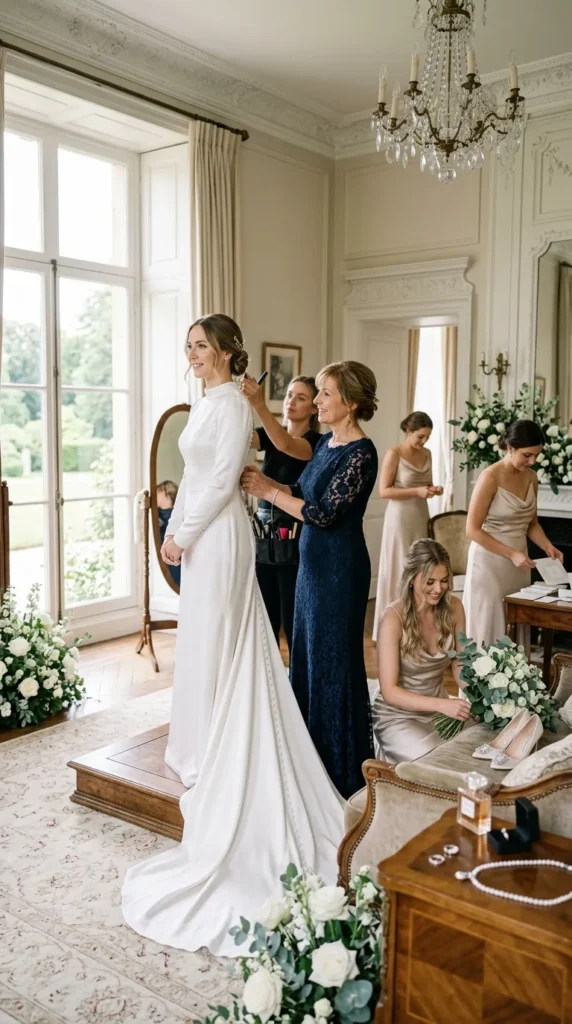
2. Allow Extra Time for Getting Ready
Hair, makeup, and dressing often take longer than expected, especially when several people are getting ready together. Build extra time into your morning schedule so everyone can relax and enjoy the experience.
Plan enough time for:
- Hair styling
- Bridal makeup
- Groom preparation
- Getting dressed
- Final touch-ups
A relaxed morning sets a positive tone for the entire day.
3. Schedule a First Look if Desired
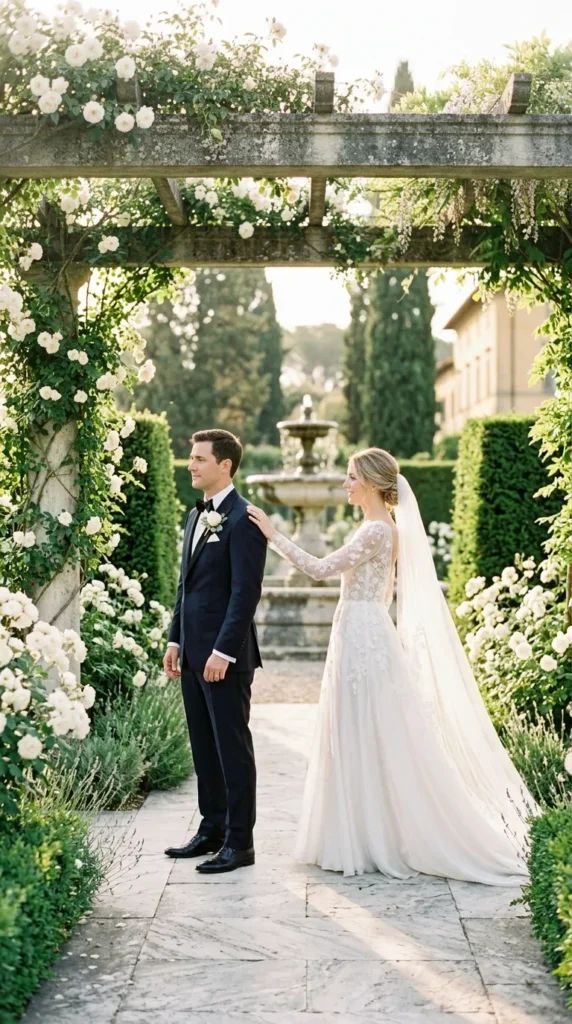
A first look allows couples to see each other before the ceremony, creating a private and emotional moment while also saving time later in the day.
It can also make your photography schedule more efficient by allowing many portraits to be completed before guests arrive.
4. Keep Travel Time in Mind
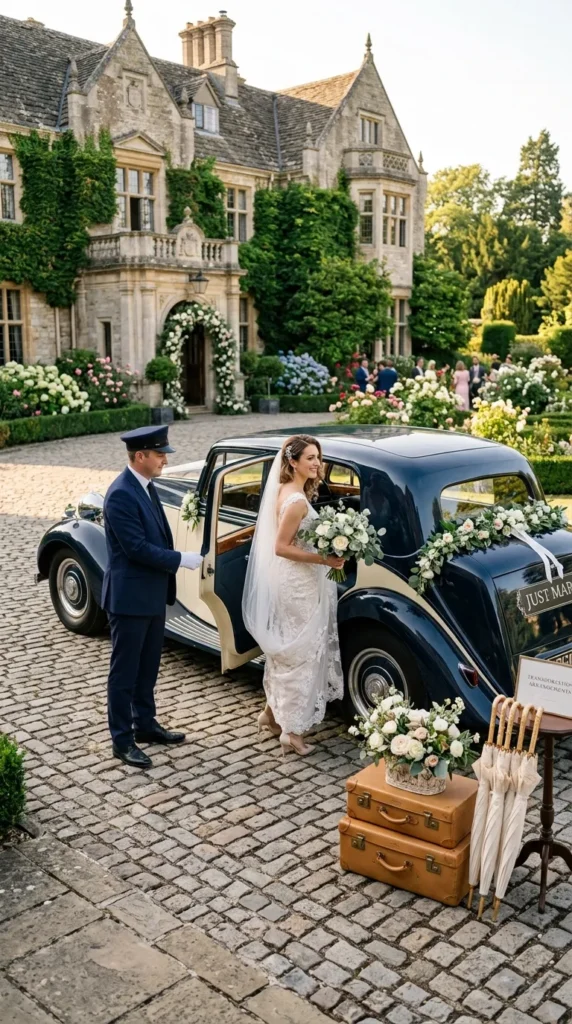
If your ceremony, reception, and photo locations are different, don’t underestimate travel time. Include extra minutes for traffic, parking, and unexpected delays.
Planning realistic travel times helps keep the rest of your schedule on track.
5. Coordinate with Your Vendors
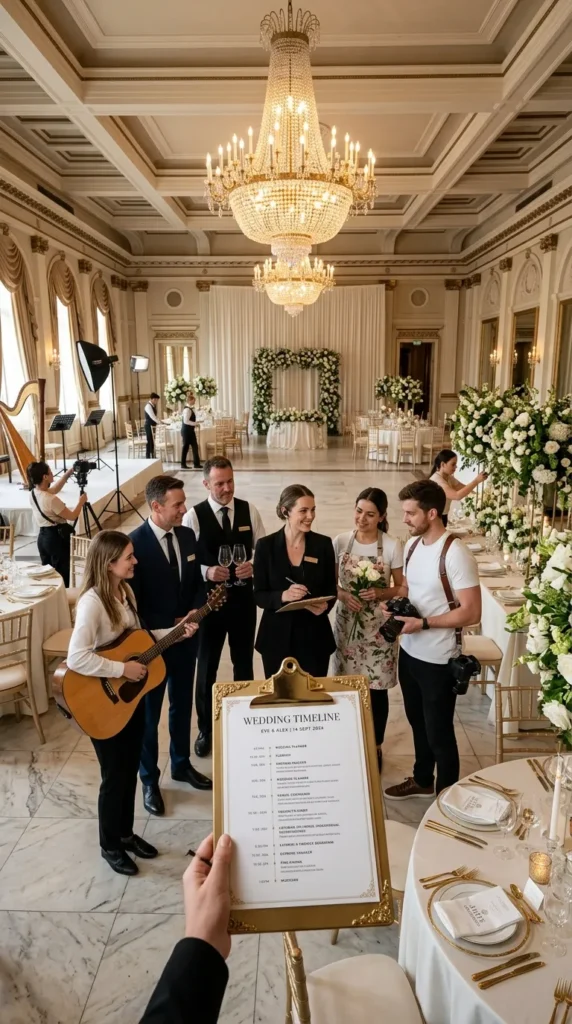
Share your finalized timeline with every vendor well before your wedding day. Your photographer, florist, caterer, DJ, planner, and transportation team all rely on the schedule to perform their roles smoothly.
Good communication helps everyone work together seamlessly.
6. Build in a Buffer Between Events
Every wedding experiences small delays, so it’s wise to leave short gaps between major events instead of scheduling everything back-to-back.
Add buffer time between:
- Ceremony and photos
- Cocktail hour and reception
- Dinner and speeches
- Cake cutting and dancing
- Grand exit preparations
These extra minutes help reduce stress if something takes longer than expected.
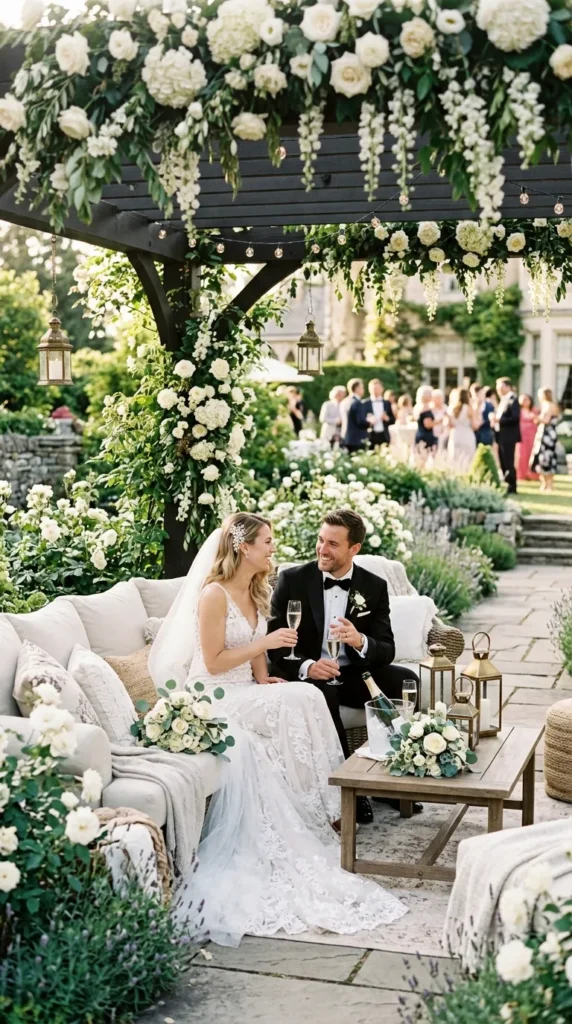
7. Plan Time for Wedding Photos
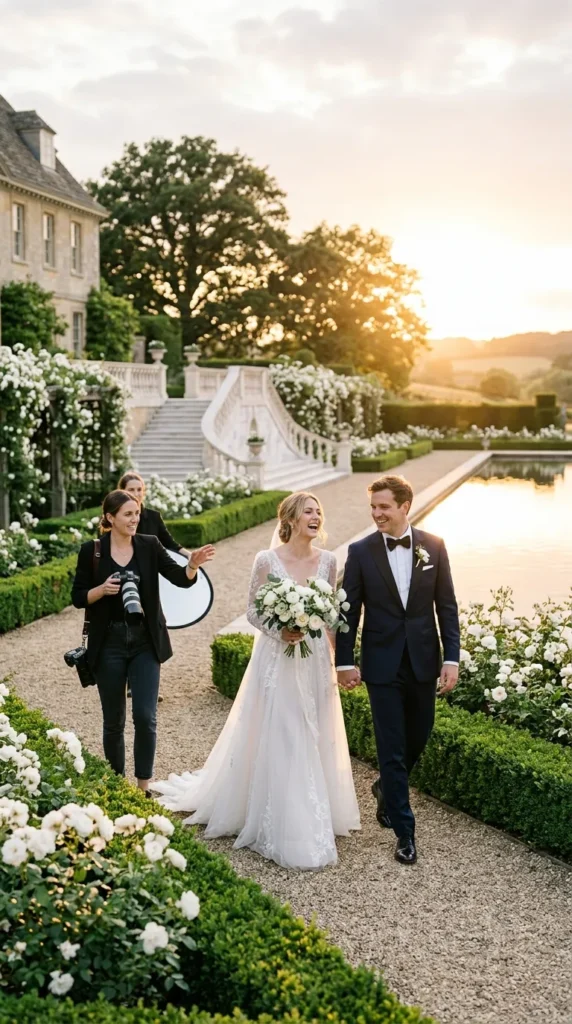
Your wedding photos will become treasured keepsakes, so don’t rush them. Work with your photographer to create a realistic photo schedule that includes family portraits, couple portraits, and wedding party photos.
Golden hour portraits are especially beautiful if your timeline allows.
8. Keep Guests Entertained
While you’re taking photos or preparing for the reception, provide entertainment so guests remain engaged.
Ideas include:
- Cocktail hour
- Live music
- Lawn games
- Photo booth
- Refreshments
Keeping guests occupied makes transitions feel smooth and enjoyable.

9. Schedule Quiet Moments Together
Your wedding day will pass quickly, so intentionally schedule a few private moments with your partner. Even ten minutes together allows you to pause, celebrate, and enjoy the excitement before returning to your guests.
These quiet moments often become some of the most meaningful memories of the day.
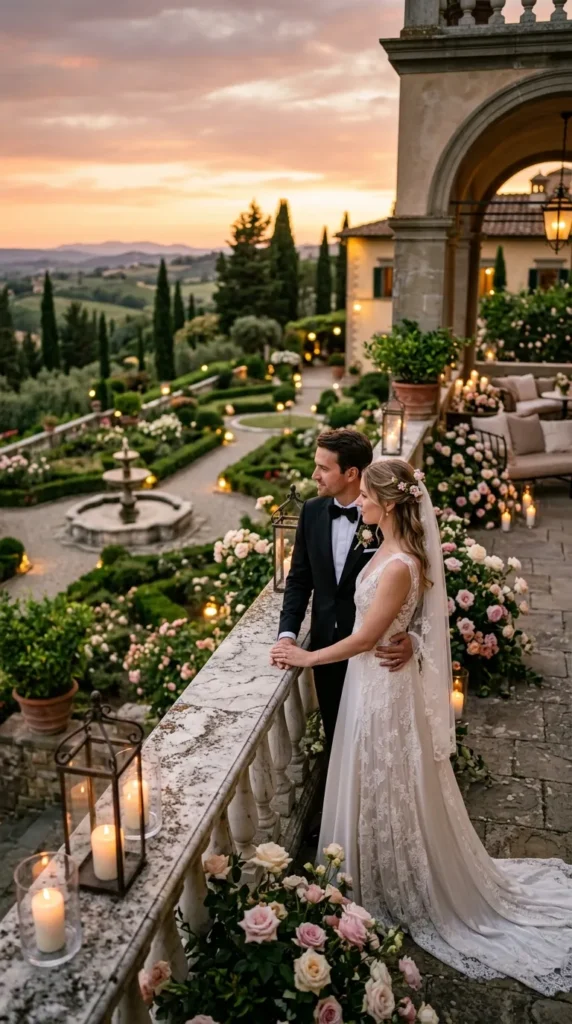
10. Keep Reception Events Organized
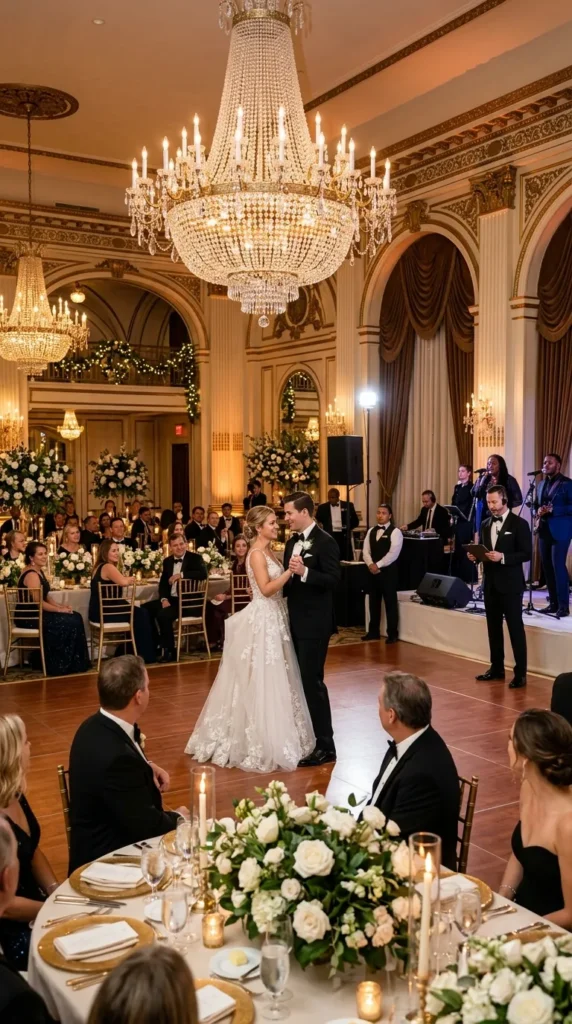
Plan the order of your reception events in advance so the evening flows naturally. Coordinate timing with your DJ, emcee, or wedding planner to avoid confusion.
Typical events include:
- Grand entrance
- First dance
- Dinner service
- Toasts
- Cake cutting
A clear schedule keeps the celebration moving at a comfortable pace.
11. Assign Someone to Manage the Timeline
Choose a trusted friend, family member, wedding coordinator, or planner to oversee the timeline. Having someone else monitor the schedule allows you to focus on enjoying your celebration instead of watching the clock.
They can also help vendors stay informed if minor adjustments become necessary.

12. Stay Flexible and Enjoy the Day
Even the best wedding timeline may need slight adjustments, and that’s perfectly normal. Small delays rarely affect the overall celebration, so don’t let them distract you from the joy of the day.
Focus on celebrating your love, spending time with family and friends, and creating unforgettable memories rather than aiming for a perfectly timed event.
Final Thoughts
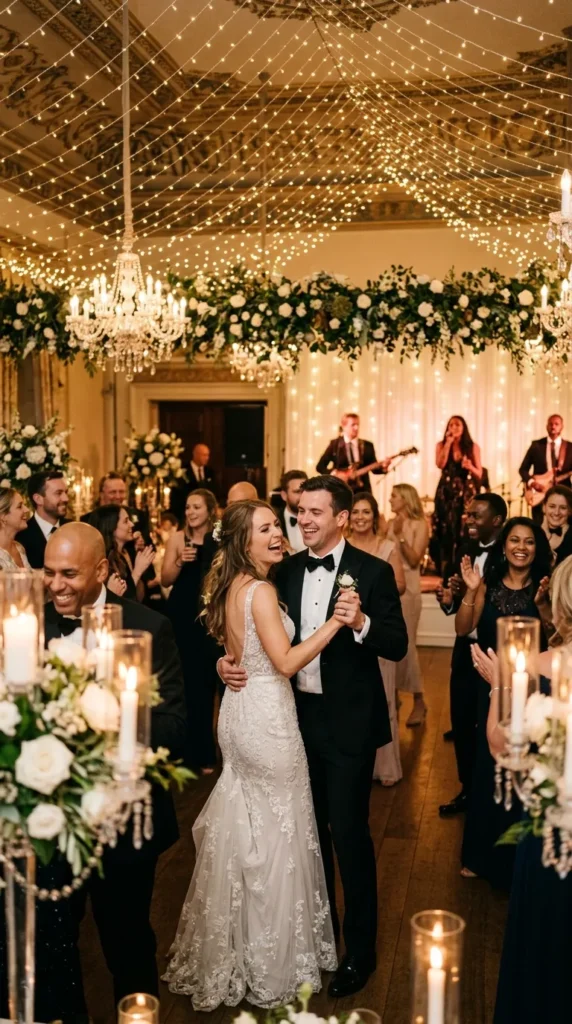
A carefully planned wedding timeline helps create a calm, organized, and enjoyable celebration for everyone involved. By allowing extra time, communicating with vendors, and building flexibility into your schedule, you can reduce stress and make the most of every special moment.
Remember, your wedding day isn’t about following a perfect schedule—it’s about celebrating the beginning of your new life together. A thoughtful timeline simply gives you the freedom to enjoy every laugh, every hug, and every unforgettable memory with confidence.