How to Coordinate Makeup with Your Wedding Theme
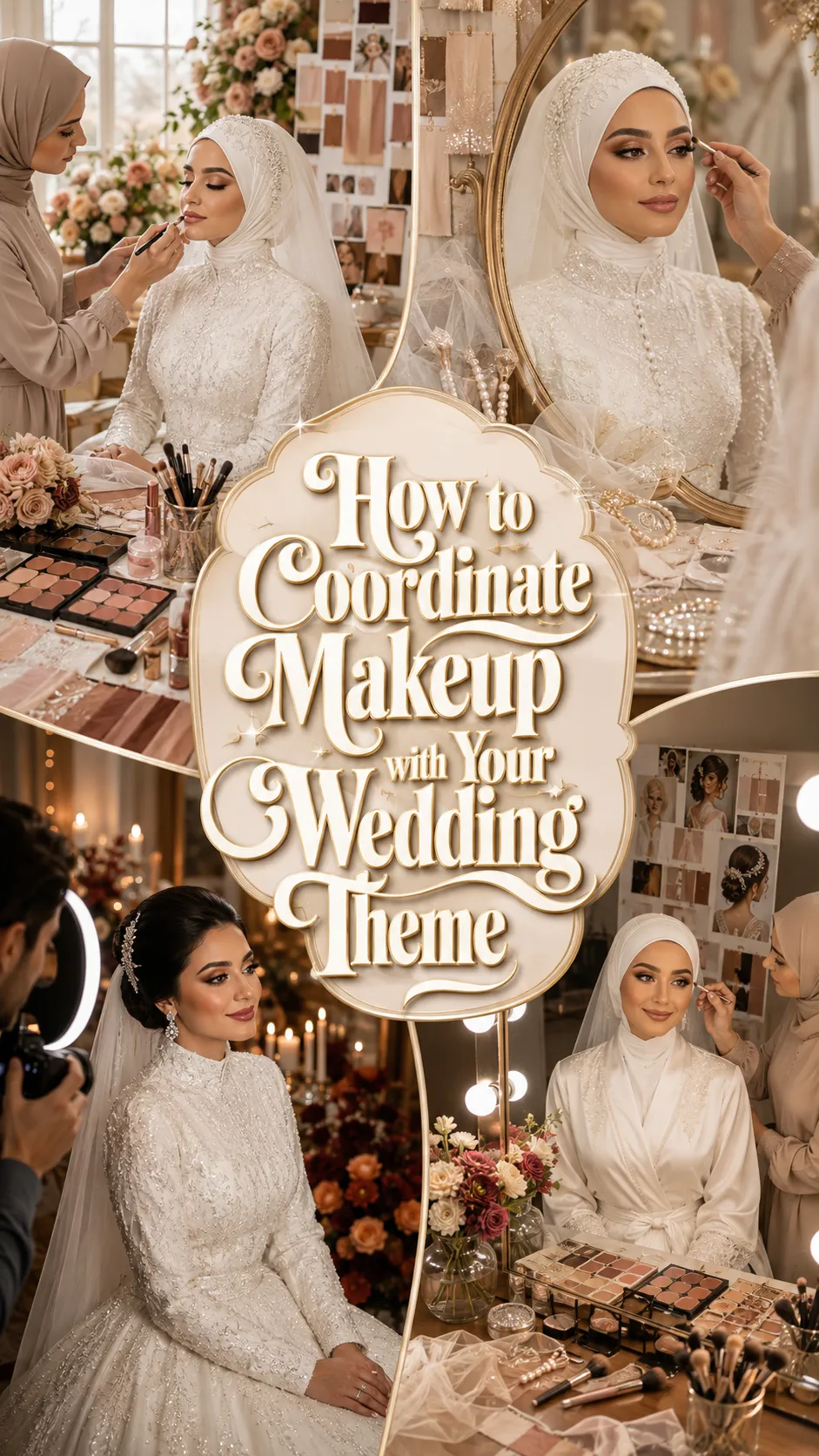
Your wedding makeup should do more than make you feel beautiful. It should also complement the atmosphere you have created through your dress, flowers, venue, colors, and overall styling. When these details work together, your bridal look feels intentional and polished rather than simply following a collection of separate beauty trends.
Coordinating makeup with your wedding theme does not mean matching your eyeshadow or lipstick exactly to your wedding colors. Instead, it is about choosing complementary tones, textures, and levels of definition that support the mood of the celebration.
From romantic garden weddings to glamorous evening receptions, the right makeup approach can help bring your entire bridal vision together.
1. Start With Your Wedding Color Palette
Your wedding colors are a useful starting point when planning bridal makeup.
Look at the dominant shades in your flowers, bridesmaid dresses, invitations, décor, and other visual details. Then determine whether your palette is primarily warm, cool, neutral, pastel, or dramatic.
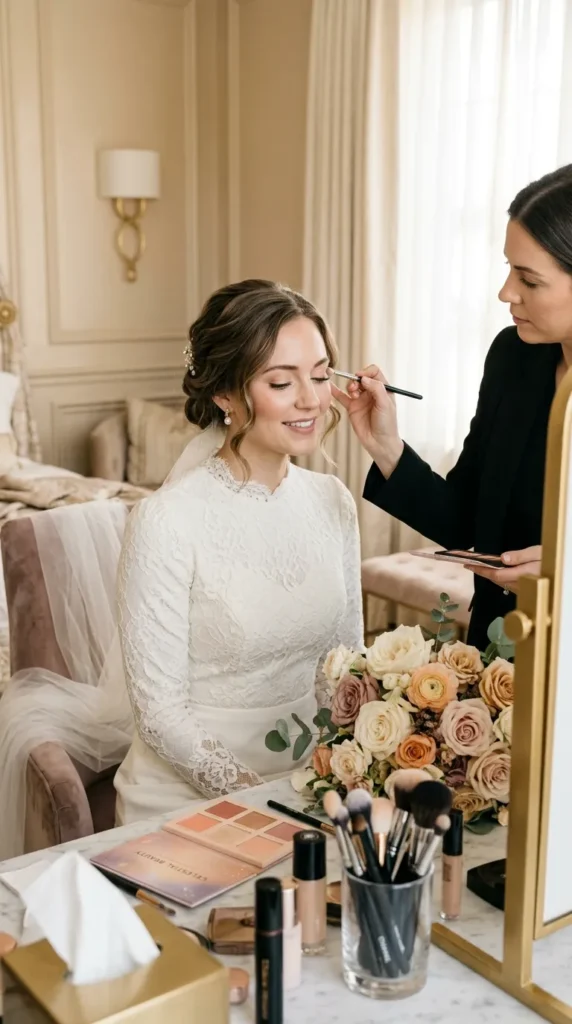
For warm palettes, makeup with peach, bronze, warm nude, terracotta, or soft gold undertones can create harmony.
Cool palettes can work beautifully with rose, mauve, soft berry, taupe, and cool pink tones.
Neutral wedding palettes give you more flexibility and can support everything from classic rosy makeup to sophisticated bronze looks.
The goal is not to copy the colors exactly. Use your wedding palette as inspiration for choosing complementary makeup tones.
2. Match Makeup to Your Wedding Style
Your wedding theme should influence the overall intensity and finish of your makeup.
A classic wedding may call for timeless makeup with softly defined eyes, natural-looking complexion makeup, and a polished rosy lip.
A romantic wedding can work beautifully with luminous skin, soft pink or peach tones, and softly blended eye makeup.
A modern wedding may suit clean complexion makeup, defined brows, subtle sculpting, and a sophisticated neutral lip.
For a glamorous celebration, you can introduce more definition through carefully shaped eyes, luminous skin, and a richer lip while keeping the result elegant.
Think about the emotional feeling you want your wedding to create and let your makeup reflect it.
3. Consider the Wedding Venue
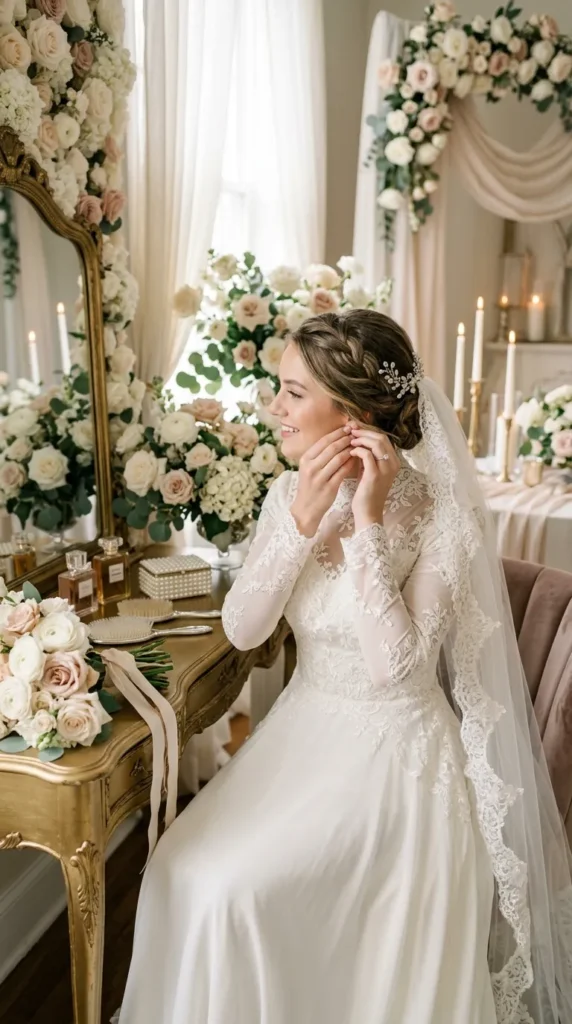
The venue can provide valuable makeup inspiration.
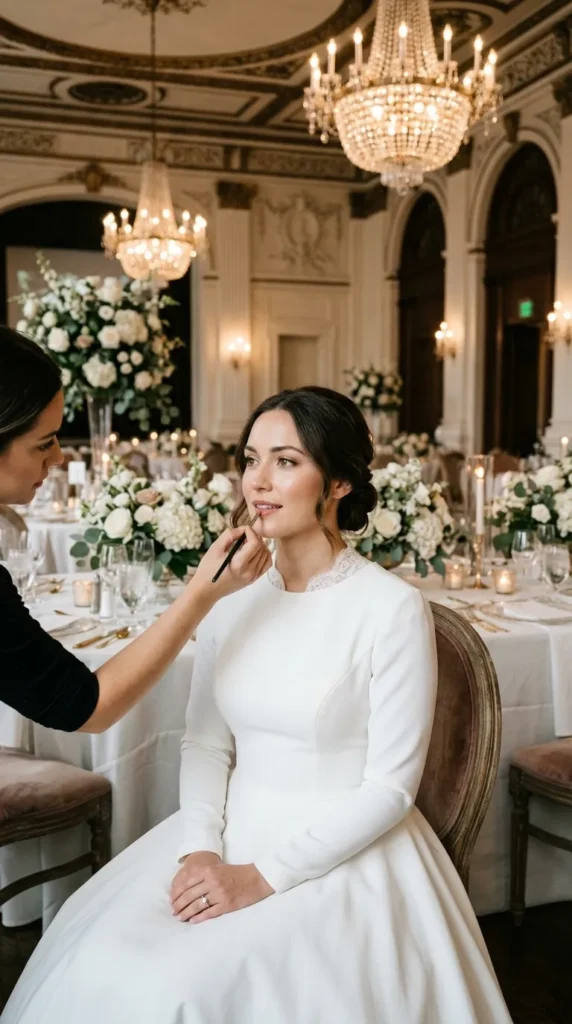
A garden venue naturally complements fresh, softly luminous makeup, while a formal ballroom can support a more polished and defined look.
A beach setting may suit lightweight-looking complexion makeup, soft bronzed tones, and a natural lip.
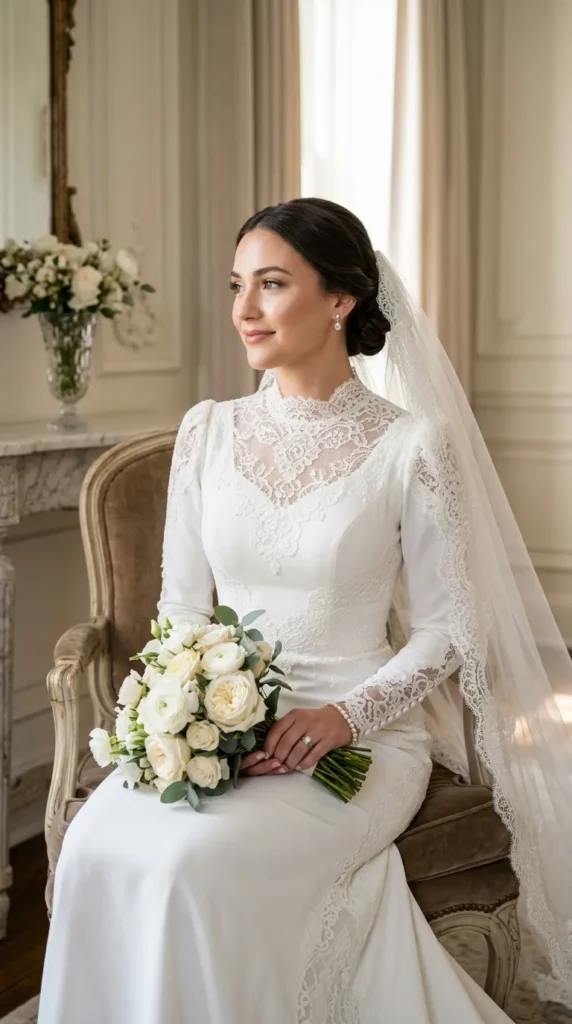
A historic venue can pair beautifully with classic makeup inspired by timeless elegance.
The makeup should feel appropriate for the surroundings without becoming overly themed.
4. Coordinate With Your Wedding Dress
Your wedding dress is one of the most important elements to consider when planning your makeup.
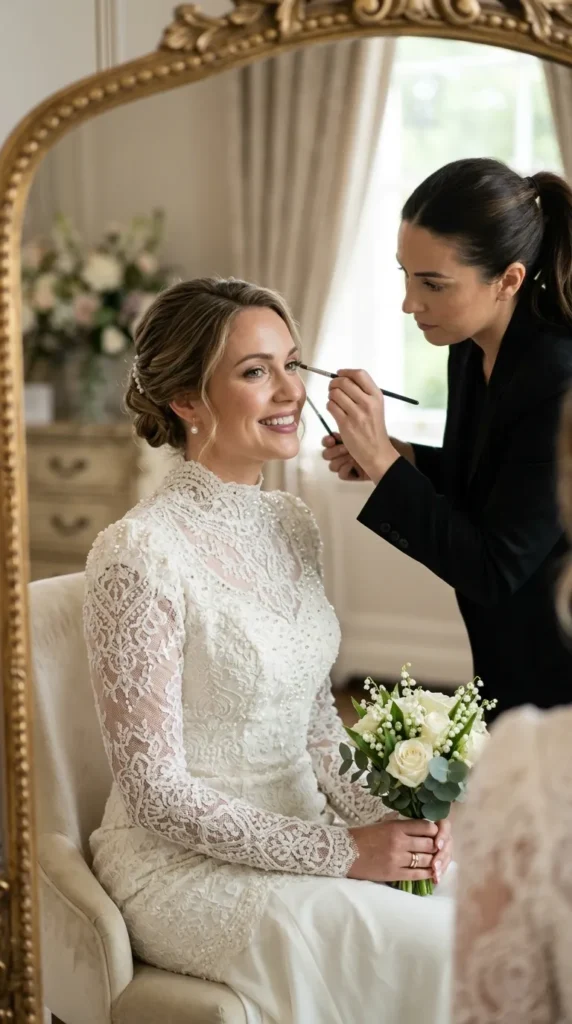
A heavily embellished gown may pair best with refined makeup that allows the dress to remain the primary statement.
A minimalist gown can provide more freedom to emphasize the eyes, lips, or complexion.
The neckline and overall silhouette can also influence the beauty balance. A structured dress may look beautiful with polished makeup, while a soft, flowing gown can complement more diffused and romantic beauty details.
Your makeup should enhance the dress rather than compete with it.
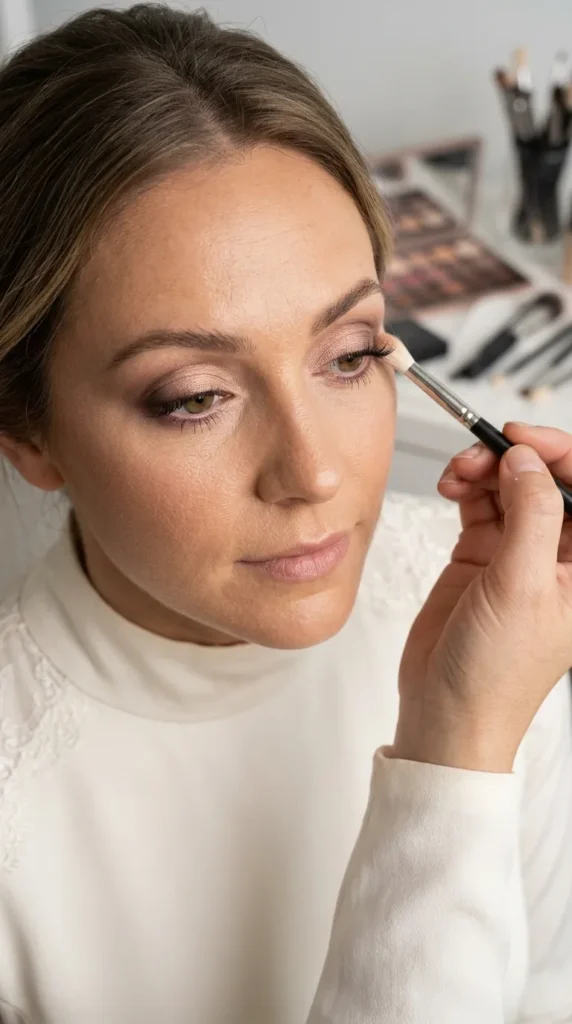
5. Choose Eyeshadow Colors That Complement the Theme
Eyeshadow is one area where your wedding colors can subtly influence your makeup.
For romantic pastel weddings, consider soft champagne, rose, taupe, peach, or mauve.
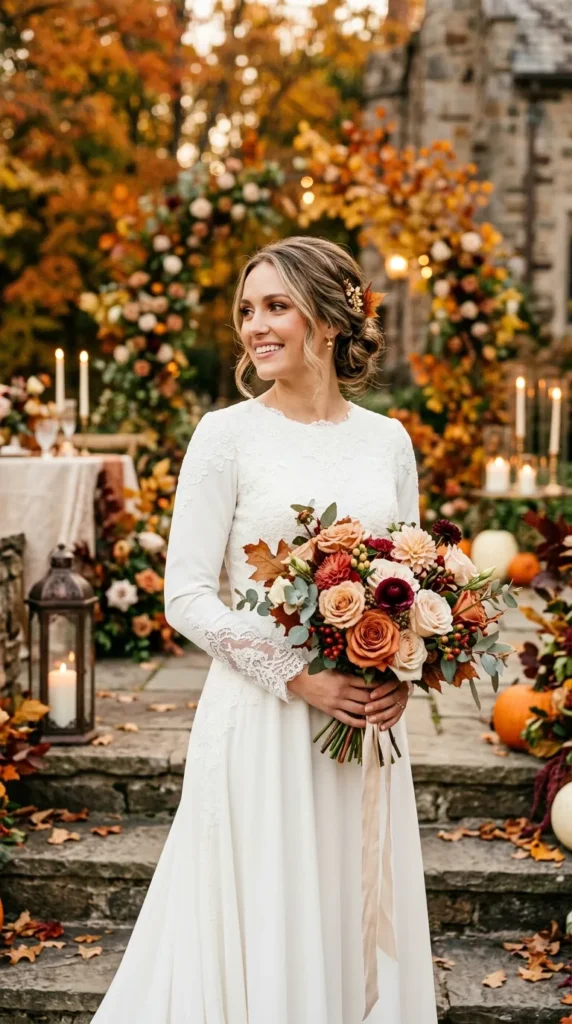
For warm autumn celebrations, bronze, caramel, copper, and warm brown can create beautiful depth.
For elegant winter weddings, soft gray, champagne, cool brown, plum, or muted berry can work beautifully.
For modern neutral weddings, beige, taupe, soft brown, and subtle shimmer can create a sophisticated result.
Avoid choosing eyeshadow simply because it exactly matches your flowers or bridesmaid dresses. Complementary colors generally look more natural and photograph better.
6. Coordinate Your Blush and Lip Colors
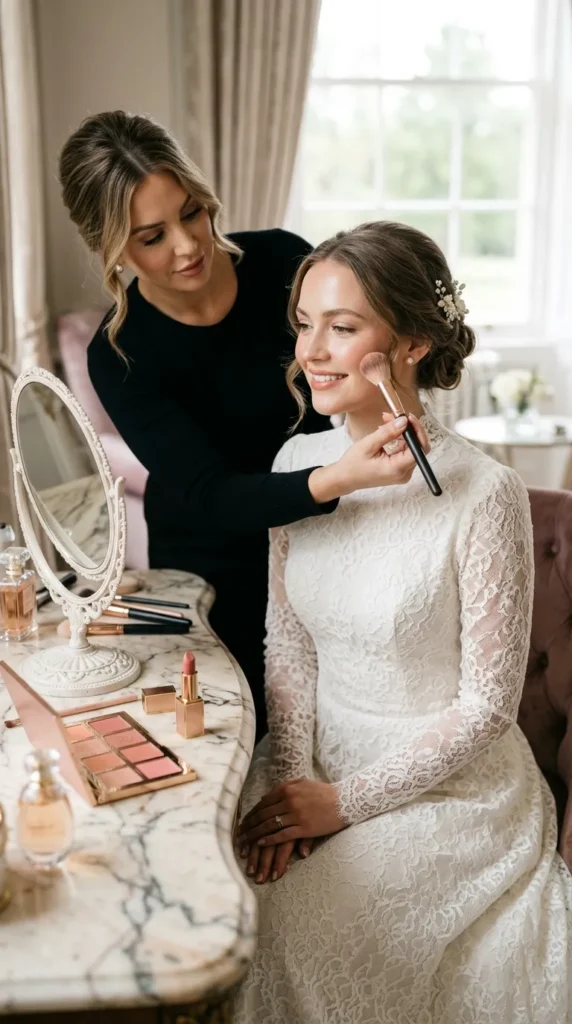
Your blush and lipstick should work together as a pair.
A romantic wedding may suit rosy blush with a soft pink or rose lip.
A warm wedding palette can pair peach or apricot blush with a warm nude or terracotta-inspired lip.
A glamorous evening wedding can support a more defined blush with a sophisticated berry, rose, or classic red lip.
If your eye makeup is dramatic, consider keeping the lips softer. If your eyes are understated, a stronger lip can become the focal point.
This creates balance throughout the face.
7. Think About Your Hair and Accessories
Makeup should not be planned separately from the rest of your bridal beauty look.
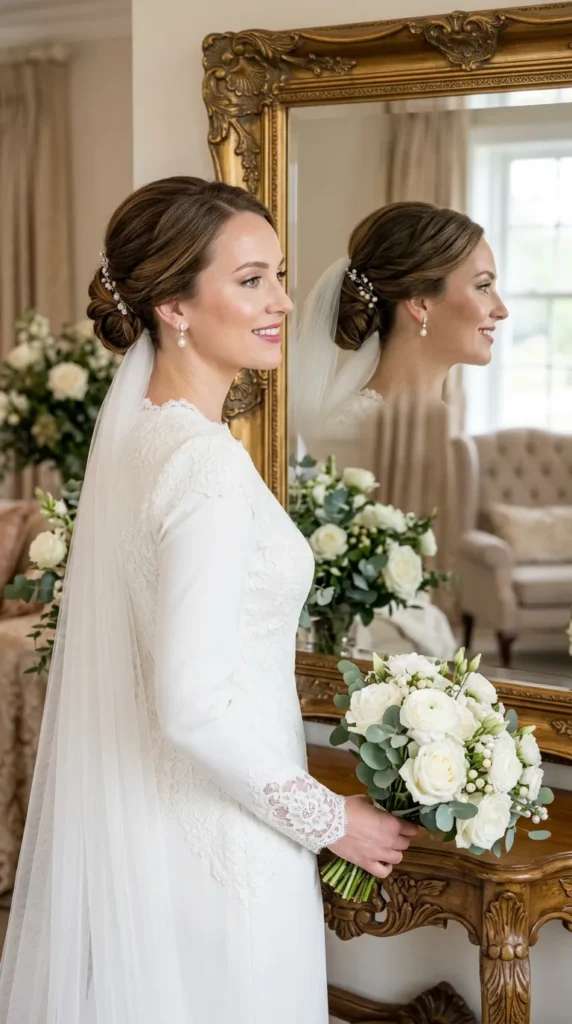
Consider your hairstyle, veil, earrings, necklace, hair accessories, and other details.
A sleek hairstyle and structured accessories can pair beautifully with polished makeup.
Soft waves and delicate accessories may work better with softly blended, romantic makeup.
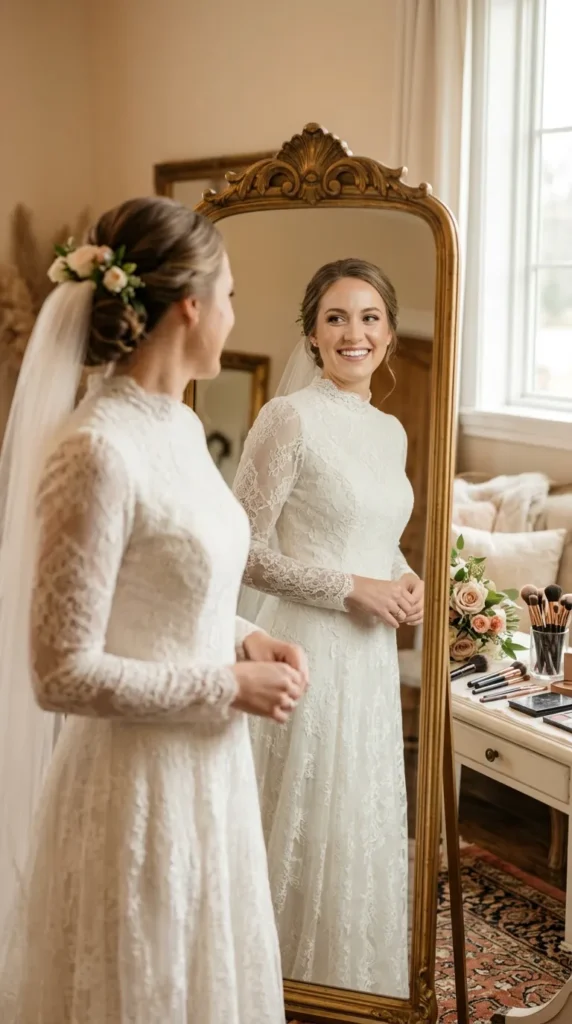
If your accessories contain pearls, crystals, or metallic details, you can subtly echo their luminosity through your makeup without making the face overly glittery.
The goal is visual harmony rather than exact repetition.
8. Adjust Your Makeup for Day or Evening Weddings
The time of day can influence how much makeup definition feels appropriate.
Daytime weddings often benefit from fresh-looking complexion makeup, softly defined eyes, and natural-looking color.
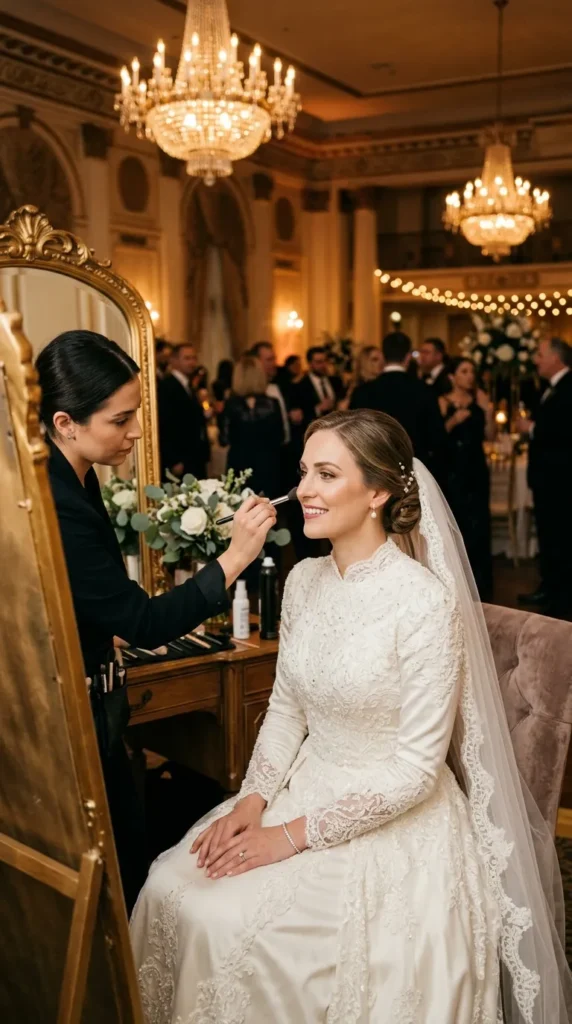
Evening weddings can support more visible eye definition, deeper tones, and a little additional luminosity.
However, more dramatic does not necessarily mean heavier. Makeup should still look refined and comfortable in person.
Your photographer can also help you understand how your chosen makeup will translate under the lighting used for your wedding portraits.
9. Consider the Season
Your wedding season can also guide your color and finish choices.
Spring weddings often suit soft pink, peach, fresh nude, and delicate luminous tones.
Summer celebrations can work beautifully with fresh complexion makeup and warm, softly bronzed colors.
Autumn weddings naturally complement warmer tones such as bronze, caramel, rose, terracotta, and muted berry.
Winter weddings can support sophisticated rose, plum, berry, champagne, and neutral tones.
Seasonal inspiration should guide your choices without restricting you to traditional colors.
10. Balance Trendy Makeup With Timeless Details
Wedding photographs can be cherished for decades, so it is worth considering how your makeup will look over time.
You can absolutely incorporate current trends, but try to balance them with timeless elements.
For example, you might combine a modern glazed complexion with classic softly defined eyes and a refined lip.
Or you could use a subtle chrome-inspired highlight while keeping the rest of the makeup elegant and understated.
This allows your bridal look to feel current without becoming so trend-driven that it quickly feels dated.
11. Test the Complete Look Before the Wedding
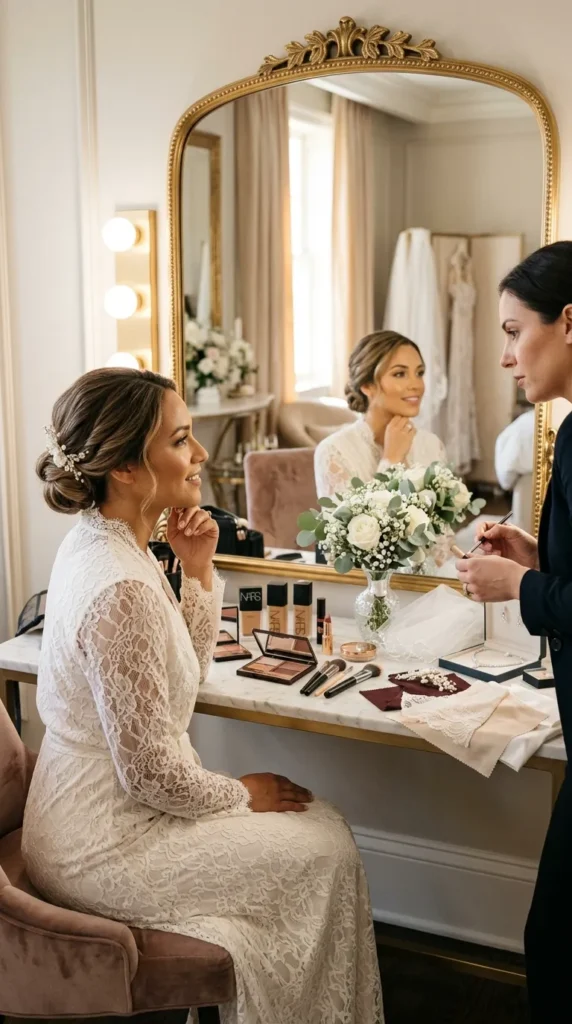
A makeup trial is one of the best ways to determine whether your beauty look actually complements your wedding theme.
Bring photographs or examples of:
- Your wedding dress
- Bridesmaid dresses
- Flowers
- Wedding décor
- Hair inspiration
- Veil
- Jewelry
- Color palette
Then evaluate the makeup as part of the complete look.
Take photographs in natural light and indoor lighting. Check whether the colors remain balanced and whether the makeup works with your hairstyle and accessories.
If something feels too strong, too pale, too warm, or too cool, the trial gives you time to make adjustments.
12. Keep Your Personal Style at the Center
Your wedding theme should influence your makeup, but it should never completely replace your personal style.
If you normally prefer natural makeup, you do not need an extremely dramatic look simply because your wedding is formal.
If you usually enjoy defined eyes or a stronger lip, you can incorporate those preferences while keeping the overall look bridal and elegant.
The most successful wedding makeup feels like you, beautifully elevated for the occasion.
When your makeup matches your personality as well as your wedding theme, you are more likely to feel confident throughout the day and genuinely enjoy your photographs.
Conclusion
Coordinating makeup with your wedding theme is about creating harmony rather than matching every detail literally. Start with your wedding colors, venue, dress, season, and overall style, then choose makeup tones and finishes that complement those elements.
Consider how your eyeshadow, blush, lips, hairstyle, accessories, and complexion work together. Most importantly, test the complete look before the wedding and make sure it still reflects your personal style.
When your makeup supports the mood of your wedding without overwhelming it, your entire bridal look feels polished, cohesive, and timeless.