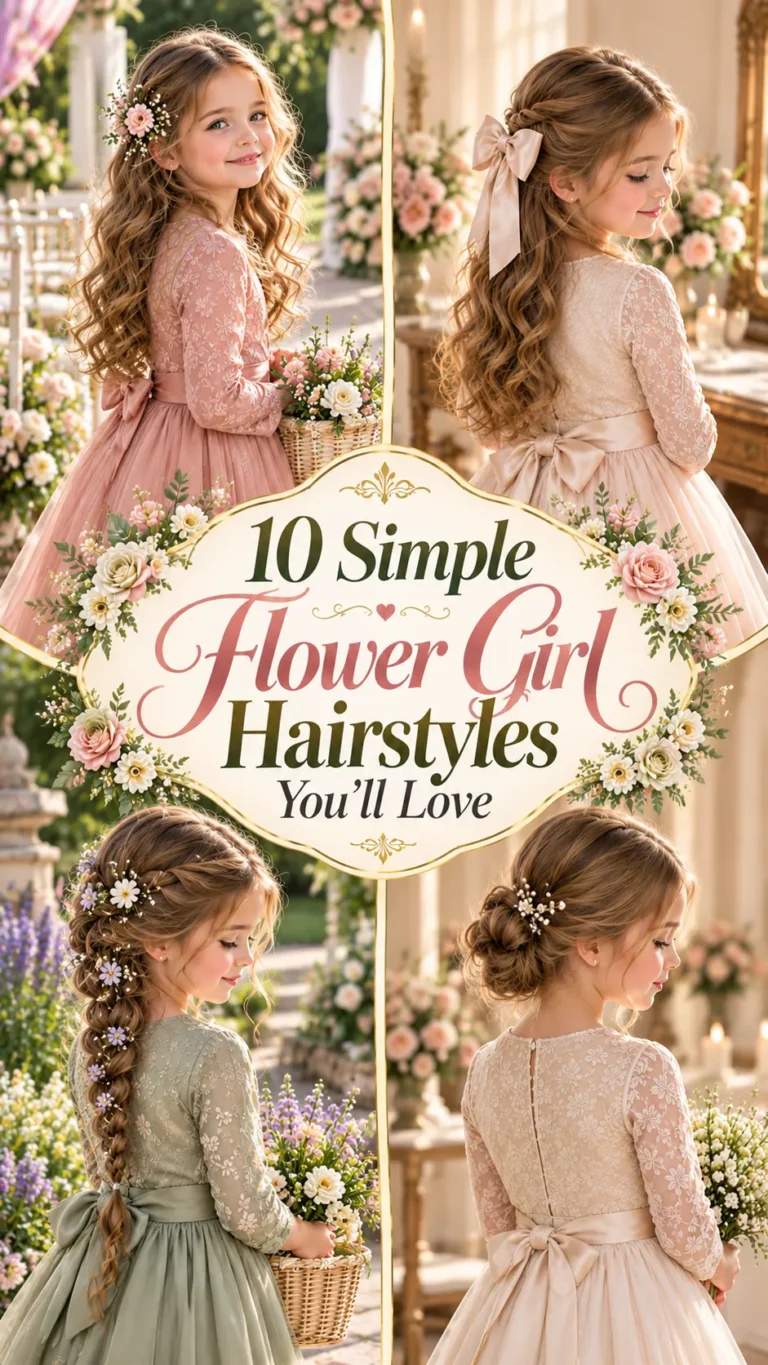
How to Make Your Wedding Makeup Last All Day
Your wedding makeup has a serious job.
It needs to survive the happy tears, endless photographs, hugs from every relative, hours of conversation, dinner, dancing, warm lights, and possibly a very emotional first kiss—all while still looking fresh.
And nobody wants to spend their wedding day constantly checking a mirror wondering, “Is my makeup still there?”
Long-lasting bridal makeup isn’t about piling on more products. It’s about preparing your skin properly, choosing formulas that work together, applying them strategically, and knowing how to refresh your face without starting over.
The best part? You can make your makeup last significantly longer without making it look heavy.
Here’s how to keep that fresh bridal glow going from the first photograph to the final dance.
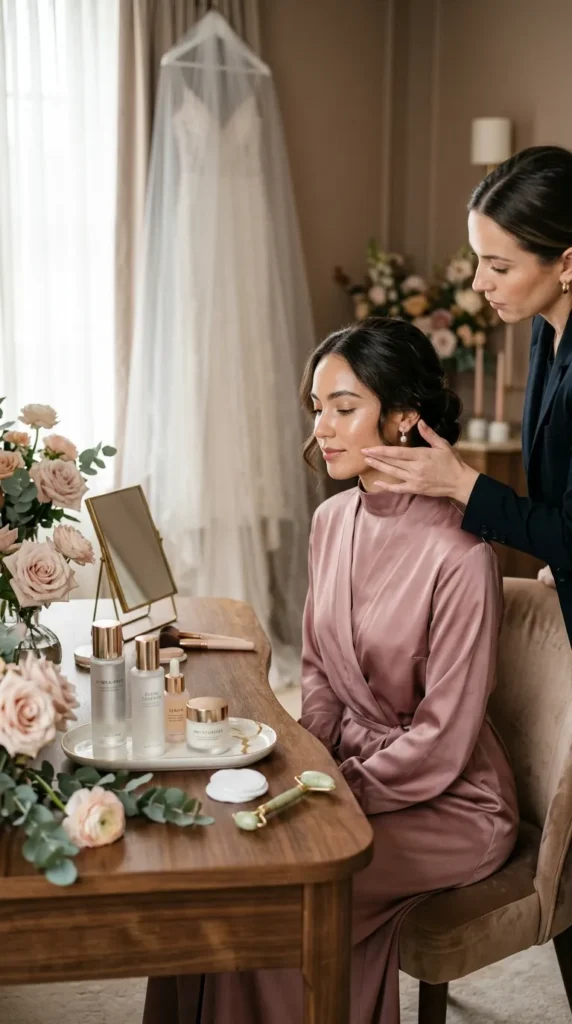
Start With Well-Prepped Skin
Long-lasting makeup begins before foundation ever touches your face.
If your skin is extremely dry, makeup can cling to flaky areas. If it’s overly oily, foundation may break down faster.
Your goal is balanced, comfortable skin.
Before makeup application:
- Cleanse gently.
- Apply a lightweight hydrating product.
- Moisturize appropriately for your skin type.
- Allow skincare to absorb completely.
- Finish with sunscreen if your makeup artist recommends it for your wedding-day conditions.
Don’t experiment with a complicated new skincare routine on the morning of your wedding.
Your wedding day is not the time for surprises.
Use Primer Where You Actually Need It
Primer isn’t necessarily something you need to apply heavily across your entire face.
Think strategically.
Use a smoothing or pore-blurring primer where you want a more polished texture, such as around the nose or cheeks.
For oil-prone areas, a mattifying primer can help control shine.
For dry areas, a hydrating primer may create a smoother surface.
The key is choosing a primer that works with your foundation.
When products are compatible, your makeup is more likely to stay smooth instead of separating.
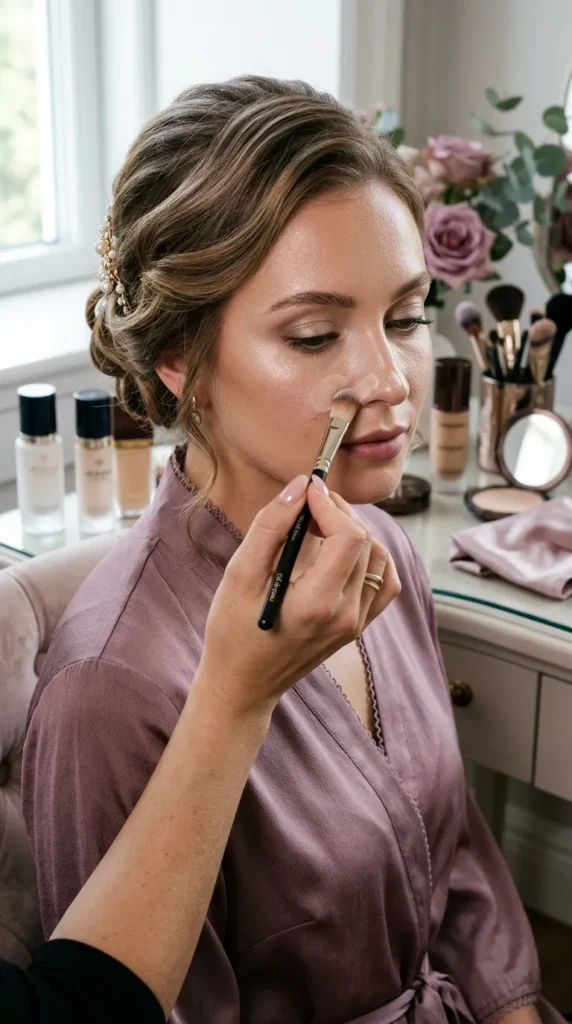
Apply Foundation in Thin Layers
One of the biggest bridal makeup mistakes is trying to create long-lasting coverage by applying a thick layer of foundation.
It may look beautiful initially—but thick makeup is more likely to crease, separate, or become noticeable as the day progresses.
Instead:
- Apply a thin layer.
- Blend thoroughly.
- Add coverage only where needed.
- Let each layer settle.
- Avoid unnecessarily covering areas that already look even.
The result is more natural-looking skin that has a better chance of staying beautiful for hours.
Think strategic coverage, not maximum coverage.
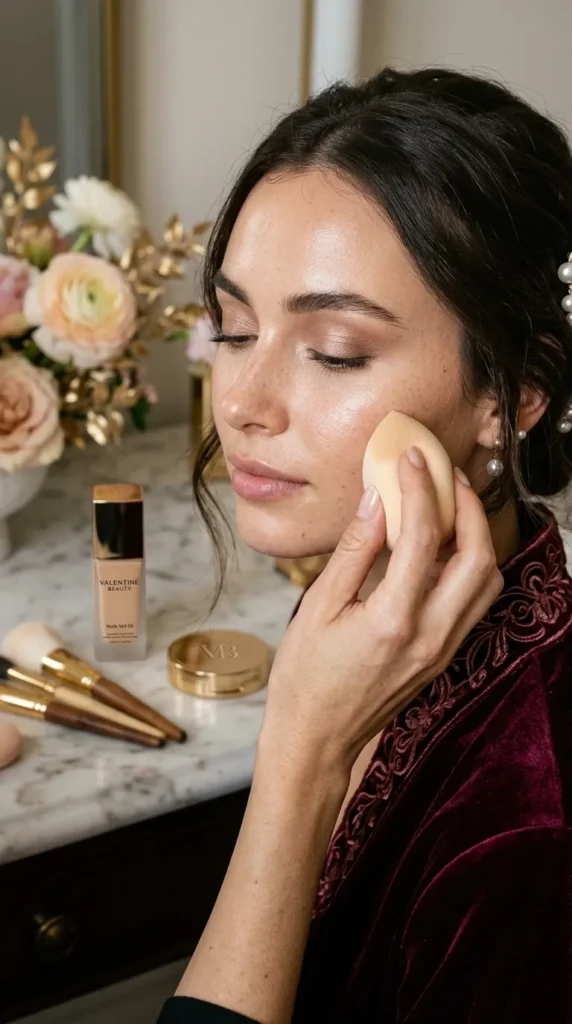
Use Concealer Only Where It Matters
Your concealer doesn’t need to cover your entire face.
Apply it where you actually need extra coverage:
- Under the eyes
- Around redness
- On small blemishes
- Around the nose
- Over areas where foundation needs reinforcement
Use a small amount and blend the edges.
Too much concealer can quickly become noticeable in close-up wedding photographs, especially around the eyes.
A little carefully placed product often lasts better than a thick layer.
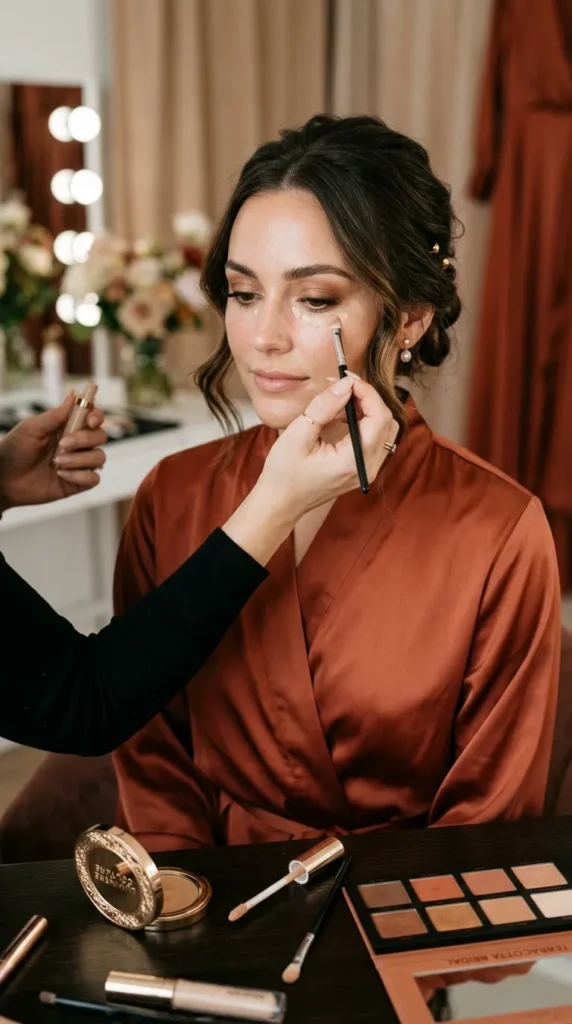
Layer Cream and Powder Products Carefully
One of the best techniques for long-lasting makeup is strategic layering.
For certain products, you can use a cream formula first and then lightly set it with a compatible powder product.
This can work beautifully for:
- Blush
- Bronzer
- Contour
For example:
Cream blush → lightly set → powder blush
The result can provide more staying power while maintaining a natural finish.
But don’t overdo it.
Too many layers can make your makeup look heavy instead of fresh.
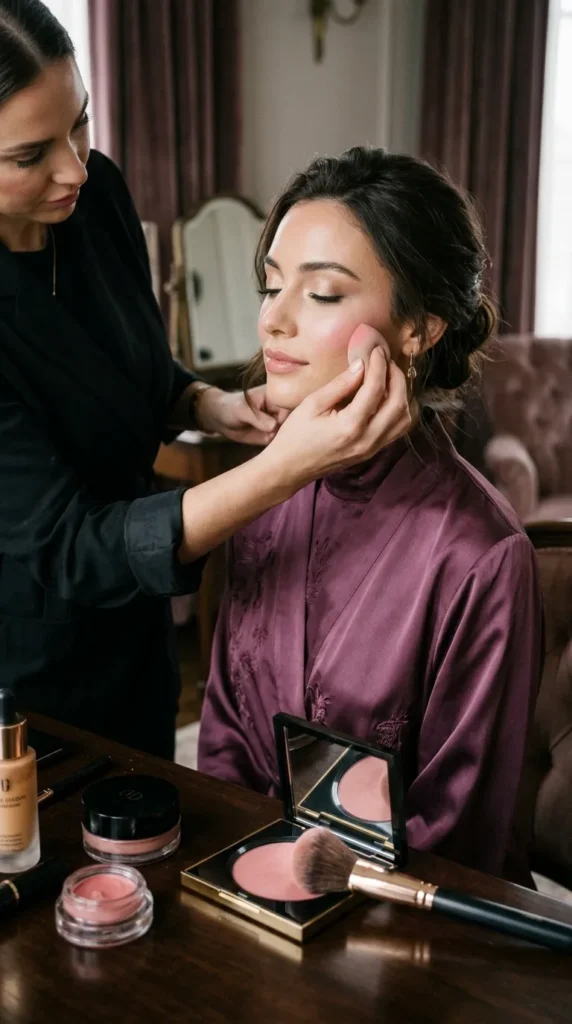
Set Your Makeup Without Losing Your Glow
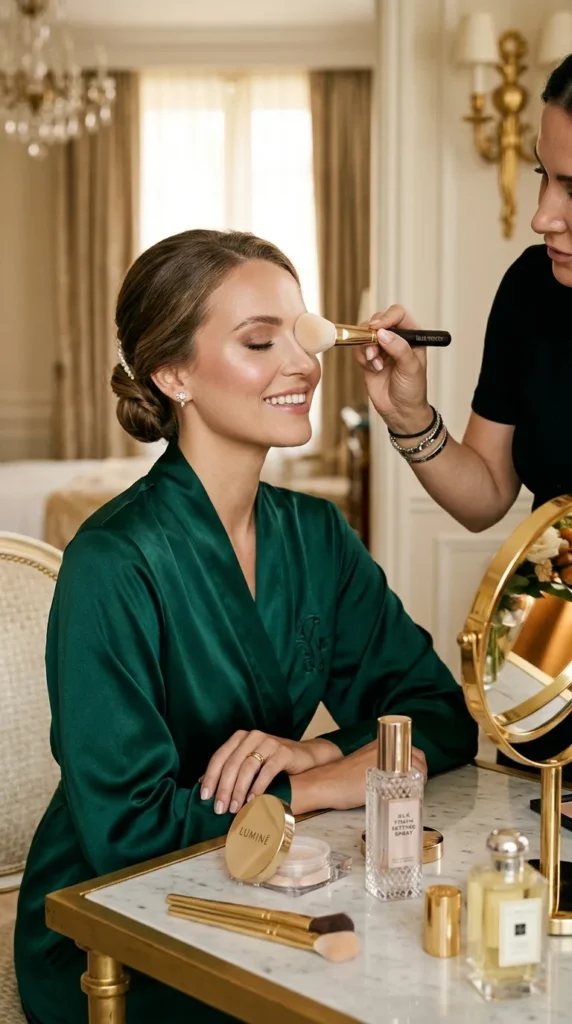
Setting powder is helpful, but your entire face doesn’t necessarily need to be covered in it.
Focus on areas that tend to become oily or where makeup moves easily.
Common areas include:
- Around the nose
- Center of the forehead
- Chin
- Under the eyes
Use a light hand.
If you’re going for luminous bridal skin, excessive powder can remove the glow you’re trying to create.
The goal is controlled shine—not completely flat skin.
Waterproof Your Eye Makeup
Your wedding day may involve tears.
Probably more than a few.
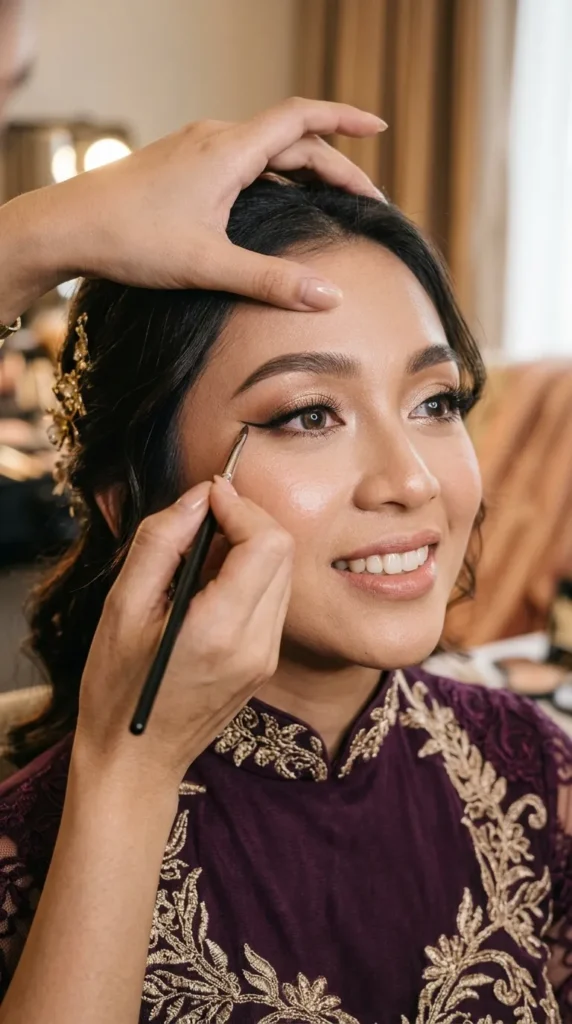
That’s why waterproof or long-wearing eye products can be especially useful for brides.
Consider waterproof formulas for:
- Mascara
- Eyeliner
- Certain cream eyeshadows
Before the wedding, test your products.
You want to know that they can handle moisture without irritating your eyes or becoming difficult to remove later.
Beautiful emotional tears should stay beautiful.
Give Your Lipstick a Game Plan
Your lips will probably be one of the first areas where you notice makeup fading.
You’ll be:
- Talking
- Drinking
- Eating
- Kissing
- Smiling
- Blotting
So instead of expecting lipstick to survive untouched for twelve hours, plan for easy touch-ups.
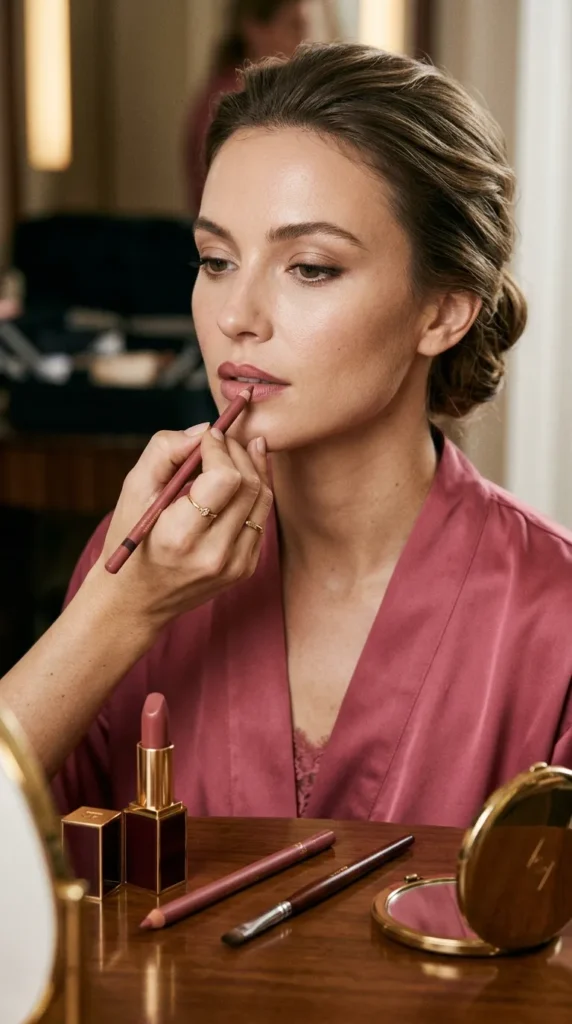
Before applying your lip color:
- Lightly prep your lips.
- Use lip liner to define the shape.
- Apply lipstick carefully.
- Blot gently if appropriate.
- Carry your lip products for later touch-ups.
Keep your exact lipstick and liner in your emergency bridal makeup kit.
That way, you can recreate your original lip look quickly.
Keep Blotting Papers Nearby
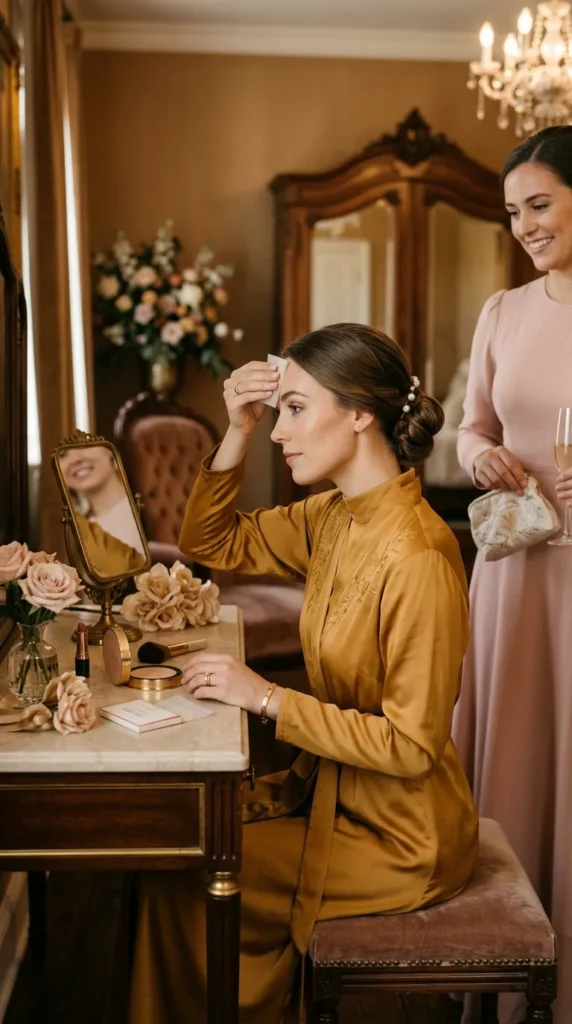
If your skin becomes shiny throughout the day, resist the temptation to immediately add more powder.
First, use blotting papers.
Gently press them against oily areas rather than rubbing.
This removes excess oil while preserving the makeup underneath.
Then, if necessary, add a tiny amount of powder.
This simple technique can make a huge difference before photographs.
Blot first. Powder second.
Build Touch-Ups Into Your Wedding Schedule
You don’t need to constantly check your makeup.
Instead, choose specific moments for quick refreshes.
Good opportunities include:
- Before the ceremony.
- Before couple portraits.
- Before the reception entrance.
- Before dinner.
- Before evening photographs.
A quick five-minute touch-up can be enough.
Ask your maid of honor or bridesmaid to keep your emergency makeup kit nearby so you don’t have to carry it yourself.
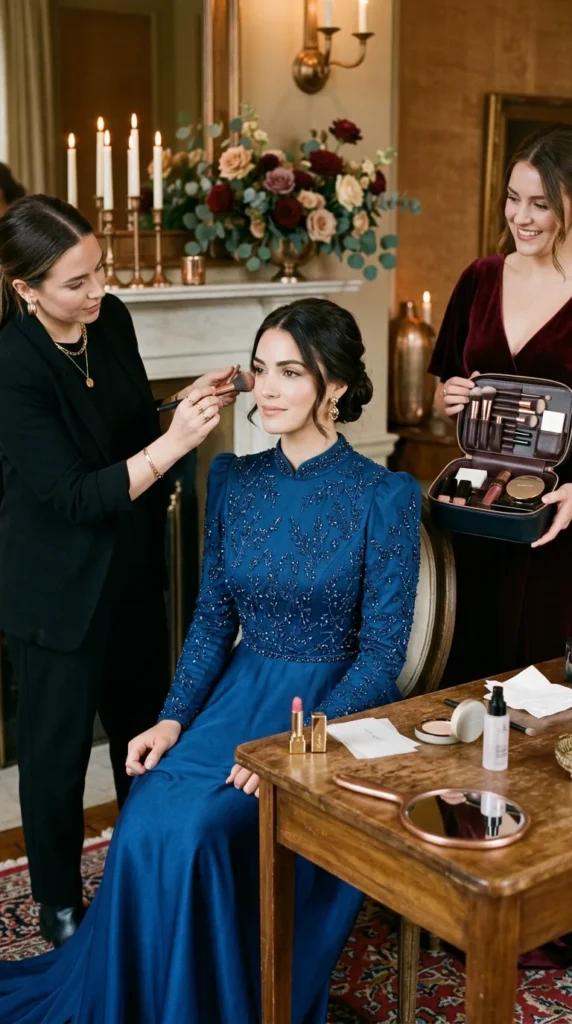
Be Careful With Your Face Throughout the Day
This sounds obvious, but it’s surprisingly important.
Try not to:
- Rub your eyes.
- Wipe your face aggressively.
- Rest your hands on your cheeks.
- Constantly touch your forehead.
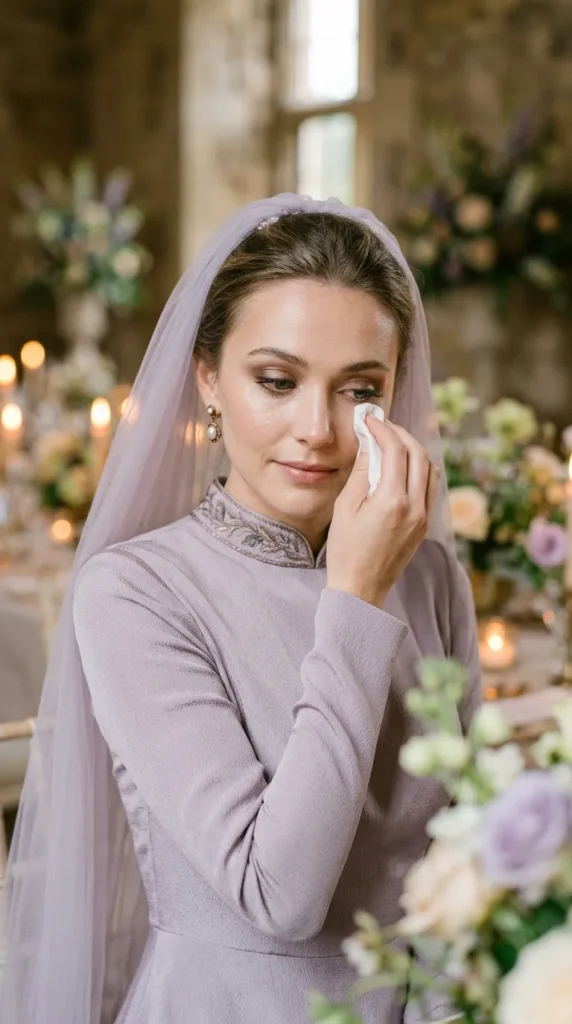
- Wipe tears across your makeup.
If you need to remove a tear, gently dab rather than dragging tissue across your skin.
The less friction your makeup experiences, the longer it tends to look fresh.
Test Your Complete Makeup Before the Wedding
Your bridal makeup trial is about much more than deciding whether you like the colors.
Use it as a durability test.
Wear your makeup for several hours.
Then check:
- Has your foundation separated?
- Is your T-zone too shiny?
- Did your eye makeup crease?
- Did your lipstick disappear?
- Does your skin still look natural?
- How does everything look in photographs?
Take photos in different lighting.
This gives you and your makeup artist valuable information before the actual wedding day.
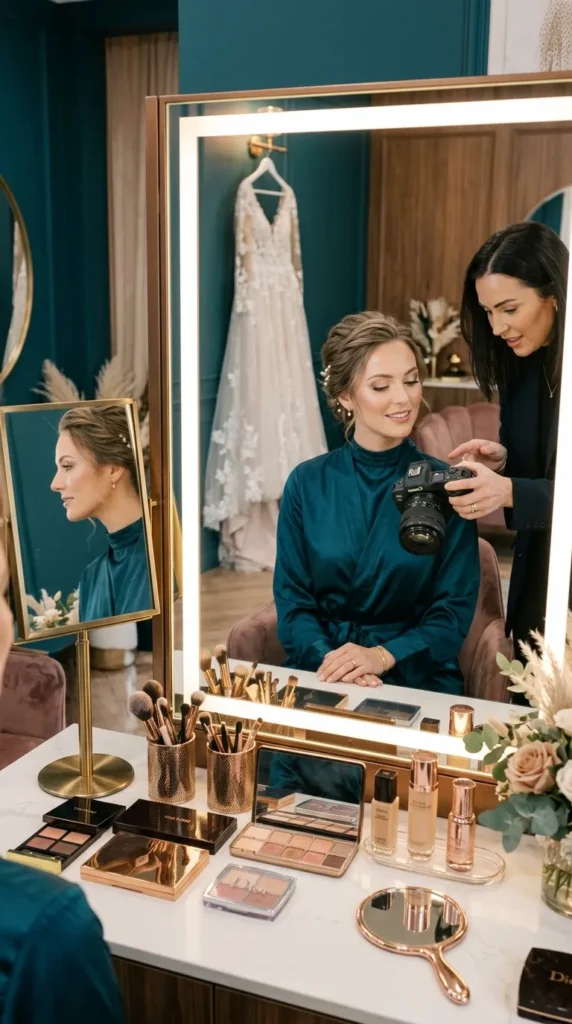
Conclusion
Making your wedding makeup last all day isn’t about covering your face with layer after layer of product. It’s about preparation, smart application, appropriate formulas, and strategic touch-ups.
Start with comfortable, well-prepped skin. Apply foundation and concealer in thin layers, use primer where needed, set oily areas without eliminating your natural glow, and choose long-wearing products for vulnerable areas like the eyes and lips.
Most importantly, prepare for touch-ups instead of expecting your makeup to remain completely untouched for an entire wedding day.
Your makeup may soften slightly, your lipstick may fade, and your skin may develop a little natural glow—and that’s completely normal.
What matters is that you still look like you, just beautifully polished and ready to enjoy every unforgettable moment.
Because the goal isn’t makeup that never moves.
It’s makeup that stays beautiful with you, from the walk down the aisle to the very last dance.